
Quality & Traceability
Quality in botanical materials is not defined by a single claim, location, or appearance. It depends on understanding the material itself, how it was handled, and what information is available about its origin and preparation.
At CHIRANIC, our current approach focuses on practical handling and transparent communication. We pay attention to the botanical material, its visible condition, regional sourcing information, drying, sorting and dry storage.
Our practices continue to develop as the scale of our operations, customer requirements and documentation needs evolve.
Understanding Botanical Quality
A geographical name alone does not establish purity, potency or suitability.
Likewise, terms such as wild, natural or mountain-grown should not be treated as automatic guarantees of quality.
Botanical materials can vary substantially between plants, locations, seasons and harvests. Environmental conditions, plant maturity, collection practices, drying and subsequent handling can all influence the physical condition and characteristics of a material.
For this reason, we consider quality in relation to the individual botanical and available information rather than relying on broad marketing claims.
Botanical Identity
Correct botanical identification is an important starting point.
CHIRANIC uses available botanical knowledge together with visual recognition of the plant and material when identifying the products we offer. Common names are supported by scientific names where identification is sufficiently established.
However, visual identification is not equivalent to laboratory authentication, genetic testing or comprehensive chemical analysis.
Where a higher level of confirmation is required for a particular application, this should be established through appropriate specialist assessment or testing.
Material Handling
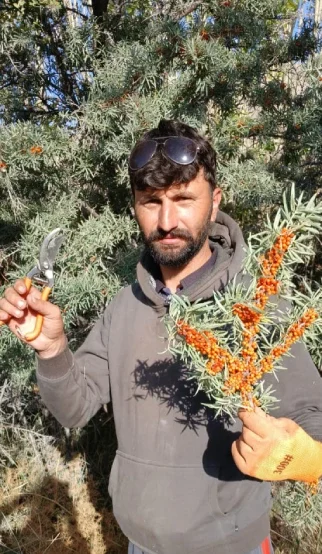
The handling of a botanical material can be as important as its geographic origin.
Our current practical handling process may include:
Drying
Botanical materials are dried to prepare them for storage and further use. Drying practices are considered according to the characteristics of the particular material and prevailing conditions.
Sorting
Materials are visually inspected and sorted to remove visibly unsuitable portions and foreign matter where possible.
The degree and method of sorting can vary according to the botanical, its physical form and the intended product format.
Dry Storage
After preparation, dried materials are kept under dry storage conditions appropriate to maintaining their physical condition.
Physical Condition & Practical Assessment
Our current quality assessment is primarily practical and visual.
Depending on the botanical, attention may be given to:
-
General appearance and visible condition
-
Presence of visible foreign matter
-
Physical integrity of the material
-
Visible signs of damage or deterioration
-
Suitability for the intended product format
-
Condition following drying and storage
This type of assessment has limitations. Visual inspection cannot establish every aspect of safety, purity, chemical composition or biological activity.
Where those characteristics are required, appropriate analytical methods are necessary.
Origin & Available Traceability
CHIRANIC’s botanicals are presented with available information about their regional origin and sourcing context.
At our current scale, we maintain basic records relating to materials and their handling where available. The level of information can vary between botanicals and batches.
We aim to communicate origin information accurately and avoid suggesting a level of traceability or documentation that is not available.
For this reason, customers with specific requirements for collection location, harvest timing, batch documentation or other sourcing details are encouraged to discuss those requirements before purchase or supply arrangements.
Testing & Buyer Requirements
Laboratory testing is not currently performed automatically on every material or batch offered by CHIRANIC.
Testing requirements can differ substantially depending on the botanical, intended application, customer market and regulatory requirements.
Where a customer, manufacturer or intended application requires specific testing, this should be discussed case by case. Requirements may include, where relevant:
-
Botanical authentication
-
Microbiological testing
-
Heavy metals
-
Pesticide residues
-
Moisture or other physical parameters
-
Chemical or constituent analysis
The need for a particular test does not mean that CHIRANIC currently holds those results for every product. Testing requirements should be agreed according to the intended use and customer specifications.
Product Formats & Further Processing
Some botanicals may be offered in more than one format, depending on the material and product requirements.
Current or potential formats may include:
-
Whole material
-
Cut or broken material
-
Powdered material
Processing requirements can affect how a material is prepared and assessed. Buyers requiring specific particle size, moisture specifications, microbial standards or other technical parameters should communicate these requirements in advance.
Transparency About Our Current Stage
CHIRANIC is an independent and developing botanical business.
We do not present basic practical handling as equivalent to certified manufacturing systems, comprehensive laboratory testing or formal quality certification.
Our current approach is based on the responsible handling practices available at our scale, including drying, sorting, dry storage, visual assessment and basic record keeping.
As the business develops, we intend to strengthen relevant documentation, quality procedures and technical capabilities according to practical needs and market requirements.
For Customers & Ingredient Buyers
Different customers require different levels of information and documentation.
Before placing a significant commercial order or developing a material for a specialised application, buyers are encouraged to discuss:
-
The botanical and plant part required
-
Intended application
-
Required quantity
-
Required format
-
Required specifications
-
Testing requirements
-
Documentation requirements
This helps establish whether a particular material is suitable for the intended purpose and what additional requirements may need to be addressed.
Our Principle: Clear Information Over Broad Claims
CHIRANIC believes that responsible botanical sourcing requires realistic communication.
We prefer to distinguish between what is currently known, what is practically assessed and what would require additional verification.
Regional origin, careful handling and visible assessment are valuable parts of our approach—but they do not replace analytical testing where analytical confirmation is required.
Our objective is to develop CHIRANIC through greater knowledge, stronger practices and informed customer relationships while remaining clear about the current characteristics and limitations of the materials we offer.
For detailed information about the regional context behind our materials, explore Botanical Sourcing from the Tirich Mir Belt.
For business or ingredient enquiries, contact CHIRANIC with your botanical and specification requirements.