
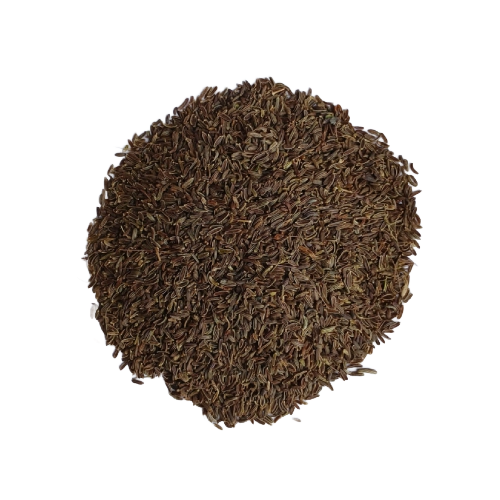
Terroir & High-Altitude Provenance
Harvested exclusively during a narrow early-summer window from the extreme scree slopes of Upper Chitral, Bunium persicum is an uncultivated wild geophyte. Surviving at altitudes exceeding 2,500 meters, this botanical endures thin atmospheric pressure, sub-zero night temperatures, and intense solar radiation. In response to these harsh conditions, the plant synthesizes elevated levels of protective aromatic compounds, yielding a seed with unmatched terpene depth and aroma retention.
Phytochemical & Aromatic Profile
Botanical literature on high-altitude, wild-harvested Bunium persicum highlights several primary volatile constituents that contribute to its characteristic chemical signature:
Cuminaldehyde: The signature aromatic aldehyde responsible for the seed’s deep, warm, and characteristic pungent aroma.
p-Cymene & γ-Terpinene: Major monoterpenes synthesized during seed maturation that impart distinctive pine, resinous, and woody notes with natural stability.
Limonene & Monoterpenes: Naturally occurring volatile compounds studied in botanical literature for their aromatic complexity, shelf preservation, and traditional carminative associations
Traditional Usage & Culinary Properties
Wild Black Zeera is prized across Central Asian and High-Himalayan culinary traditions for its delicate, non-bitter, sweet earthy finish. It is traditionally used in regional cuisine and wellness practices to support comfortable digestion and to elevate high-value rice dishes, broths, and traditional herbal preparations.
Precautions & Safety
Quality Assurance: 100% pure wild-harvested fruit/seed. Free of synthetic preservatives, sulfites, or fillers.
Storage: Keep in a cool, dark place away from direct sunlight to preserve volatile aromatic constituents.
General Safety: For educational and culinary purposes. Consult a qualified healthcare practitioner prior to using concentrated botanical preparations if pregnant or taking medications.
Reviews
There are no reviews yet.